-
Research Supplies
From$24.99
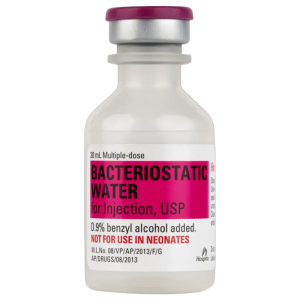
Hospira 30mL bacteriostatic water supplied as sterile, nonpyrogenic water containing benzyl alcohol preservative for compatible laboratory reconstitution workflows.
Batch COA Available
Purity Verified by COA
Research Use Only
View COA / Batch Documentation
-
Mitochondrial & Cellular
From$44.99
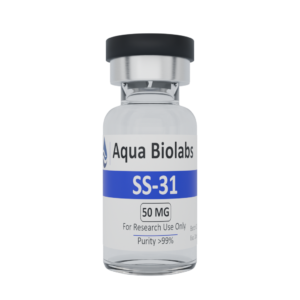
A mitochondria-targeted tetrapeptide studied in cardiolipin interaction, inner mitochondrial membrane biology, oxidative-stress signaling, and cellular bioenergetics research.
Batch COA Available
Purity Verified by COA
Research Use Only
View COA / Batch Documentation
View
This product has multiple variants. The options may be chosen on the product page
-
Growth Hormone
From$54.99
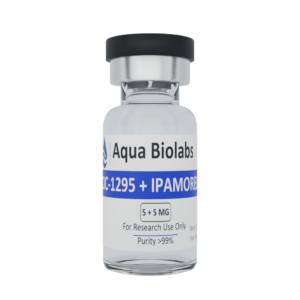
A dual-component research blend combining a GHRH analog with a ghrelin receptor/GH secretagogue peptide for GH/IGF-1 axis and pituitary signaling studies.
Batch COA Available
Purity Verified by COA
Research Use Only
View COA / Batch Documentation
-
GLP & Metabolic
From$39.99
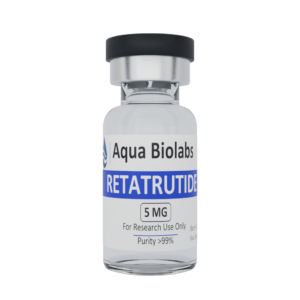
A 39-amino acid triple agonist peptide studied in GIP, GLP-1, and glucagon receptor signaling, metabolic regulation, energy-expenditure biology, and body-composition research models.
Batch COA Available
Purity Verified by COA
Research Use Only
View COA / Batch Documentation
View
This product has multiple variants. The options may be chosen on the product page
-
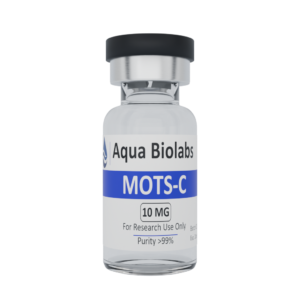
Mitochondrial & Cellular
From$39.99
A mitochondrial-derived peptide studied in mitonuclear communication, AMPK-associated signaling, metabolic stress response, and cellular energy-homeostasis models.
Batch COA Available
Purity Verified by COA
Research Use Only
View COA / Batch Documentation
View
This product has multiple variants. The options may be chosen on the product page
-
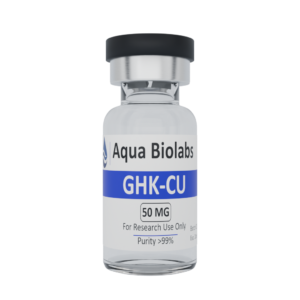
Tissue & Repair
From$24.99
A copper tripeptide complex studied in extracellular-matrix signaling, collagen-associated pathways, wound-model biology, and tissue-remodeling research.
Batch COA Available
Purity Verified by COA
Research Use Only
View COA / Batch Documentation
-
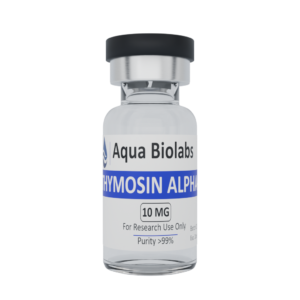
Immune & Signaling
From$39.99
A 28-amino-acid thymic peptide studied in immune signaling, T-cell pathway research, cytokine modulation, and host-response models.
Batch COA Available
Purity Verified by COA
Research Use Only
View COA / Batch Documentation
-
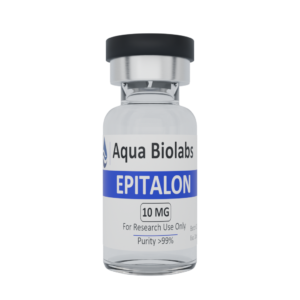
Cognitive & Nootropic
From$39.99
A synthetic tetrapeptide studied in telomerase-associated research, pineal/thymic signaling models, circadian biology, cellular senescence, and longevity-related endpoints.
Batch COA Available
Purity Verified by COA
Research Use Only
View COA / Batch Documentation
-
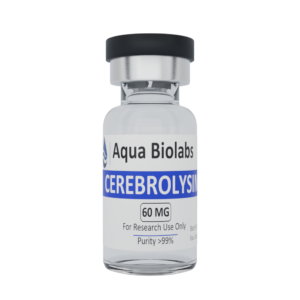
Cognitive & Nootropic
From$19.99
A standardized peptide/amino-acid hydrolysate mixture studied in neurotrophic signaling, neuronal survival models, synaptic plasticity, and neurobiology research.
Batch COA Available
Purity Verified by COA
Research Use Only
View COA / Batch Documentation
-
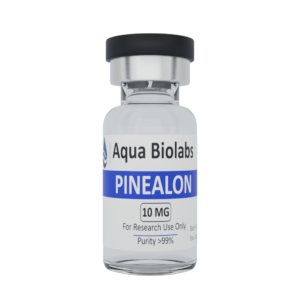
Cognitive & Nootropic
From$39.99
A short tripeptide studied in neurobiology, gene-expression, pineal/neuronal signaling, and cellular stress-response research models.
Batch COA Available
Purity Verified by COA
Research Use Only
View COA / Batch Documentation
-
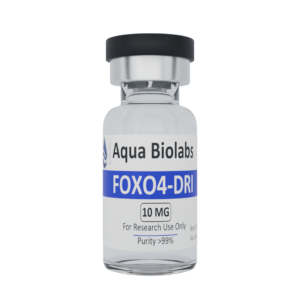
Cellular & Oncology
From$179.99
A D-retro-inverso cell-penetrating peptide studied in FOXO4–p53 interaction models, cellular senescence research, apoptosis signaling, and age-associated cell biology.
Batch COA Available
Purity Verified by COA
Research Use Only
View COA / Batch Documentation
-
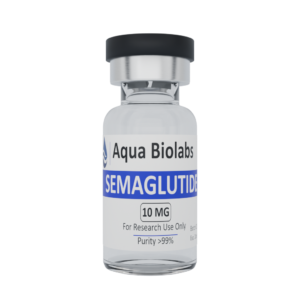
GLP & Metabolic
From$44.99
A long-acting GLP-1 receptor agonist research peptide studied in incretin signaling, glucose-homeostasis models, appetite-pathway research, and metabolic regulation studies.
Batch COA Available
Purity Verified by COA
Research Use Only
View COA / Batch Documentation
-
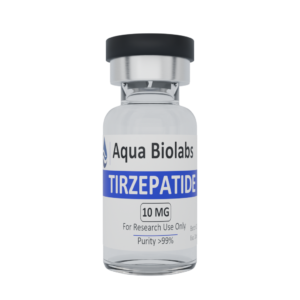
GLP & Metabolic
From$44.99
A dual GIP/GLP-1 receptor agonist peptide studied in incretin biology, glucose-response models, insulin signaling, and metabolic regulation research.
Batch COA Available
Purity Verified by COA
Research Use Only
View COA / Batch Documentation
-
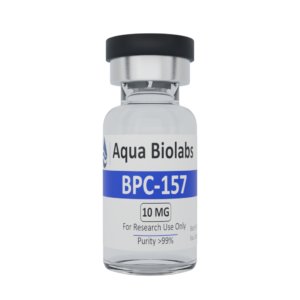
Tissue & Repair
From$39.99
A synthetic pentadecapeptide studied in tissue-remodeling, angiogenesis, nitric-oxide signaling, extracellular-matrix, and gastrointestinal-barrier research models.
Batch COA Available
Purity Verified by COA
Research Use Only
View COA / Batch Documentation
-
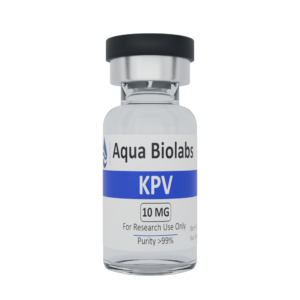
Tissue & Repair
From$34.99
A tripeptide fragment studied in inflammatory-signaling, barrier-function, melanocortin-related, and epithelial research models.
Batch COA Available
Purity Verified by COA
Research Use Only
View COA / Batch Documentation
-
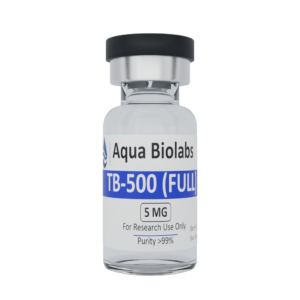
Tissue & Repair
From$44.99
A thymosin beta-4–related research peptide studied in actin regulation, cell migration, angiogenesis-associated models, and tissue-remodeling research.
Batch COA Available
Purity Verified by COA
Research Use Only
View COA / Batch Documentation
-
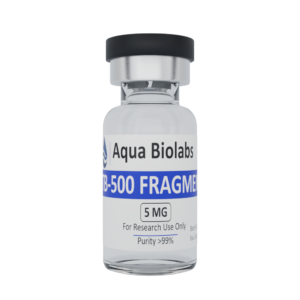
Tissue & Repair
From$40.00
A thymosin beta-4 fragment research peptide studied in actin-binding biology, cytoskeletal organization, cell migration, and tissue-remodeling models.
Batch COA Available
Purity Verified by COA
Research Use Only
View COA / Batch Documentation
-
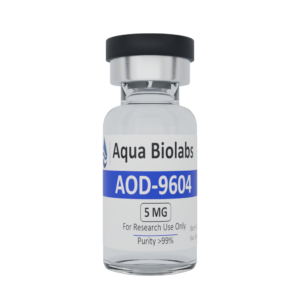
Metabolic
From$49.99
A modified hGH fragment research peptide studied in lipolysis-related pathways, metabolic signaling, adipocyte models, and body-composition research endpoints.
Batch COA Available
Purity Verified by COA
Research Use Only
View COA / Batch Documentation
-
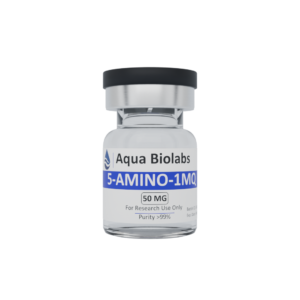
Metabolic
From$49.99
A small-molecule NNMT research tool studied in NAD+/methylation biology, adipocyte models, metabolic regulation, and cellular energy research.
Batch COA Available
Purity Verified by COA
Research Use Only
View COA / Batch Documentation
-
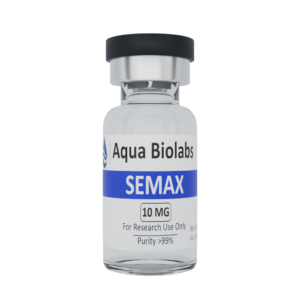
Cognitive & Nootropic
From$39.99
A synthetic ACTH(4–10)-derived heptapeptide studied in neurotrophic signaling, BDNF-associated pathways, neuroprotection models, and cognitive research.
Batch COA Available
Purity Verified by COA
Research Use Only
View COA / Batch Documentation
-
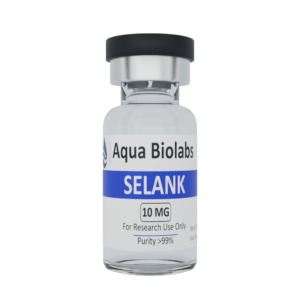
Cognitive & Nootropic
From$39.99
A tuftsin-analog heptapeptide studied in GABAergic signaling, neurotransmitter balance, cytokine expression, stress-response models, and neuroimmune research.
Batch COA Available
Purity Verified by COA
Research Use Only
View COA / Batch Documentation
-
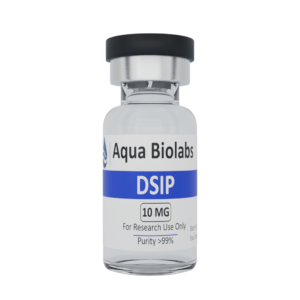
Cognitive & Nootropic
From$44.99
A nonapeptide studied in sleep-regulation models, neuroendocrine signaling, stress-response biology, and peptide-neuromodulation research.
Batch COA Available
Purity Verified by COA
Research Use Only
View COA / Batch Documentation
-
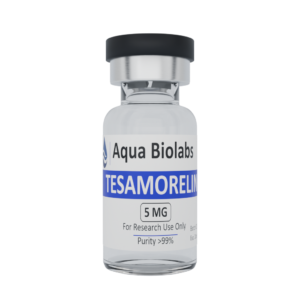
Growth Hormone
From$59.99
A growth hormone–releasing hormone analog studied in GHRH receptor signaling, pituitary response models, GH/IGF-1 axis research, and metabolic endpoint studies.
Batch COA Available
Purity Verified by COA
Research Use Only
View COA / Batch Documentation
-
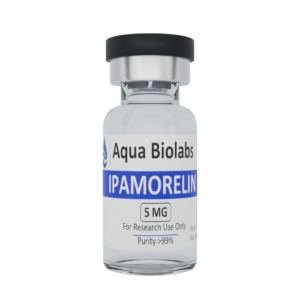
Growth Hormone
From$29.99
A growth hormone secretagogue peptide studied in ghrelin receptor signaling, pituitary response, GH/IGF-1 axis models, and endocrine receptor-selectivity research.
Batch COA Available
Purity Verified by COA
Research Use Only
View COA / Batch Documentation
-
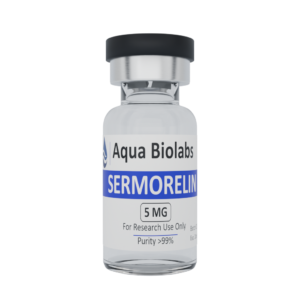
Growth Hormone
From$39.99
A GHRH(1–29) research peptide studied in GHRH receptor signaling, pituitary response, GH/IGF-1 axis biology, and endocrine feedback models.
Batch COA Available
Purity Verified by COA
Research Use Only
View COA / Batch Documentation
-
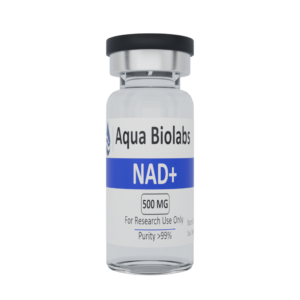
Mitochondrial & Cellular
From$39.99
A central redox coenzyme studied in mitochondrial metabolism, electron-transfer biology, sirtuin/PARP-associated pathways, and cellular energy research.
Batch COA Available
Purity Verified by COA
Research Use Only
View COA / Batch Documentation
-
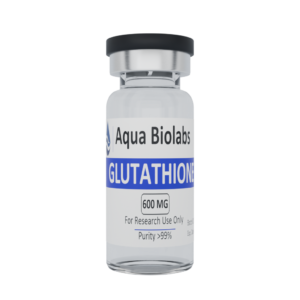
Mitochondrial & Cellular
From$19.99
A tripeptide antioxidant and redox molecule studied in thiol balance, oxidative-stress models, detoxification enzyme systems, and cellular defense pathways.
Batch COA Available
Purity Verified by COA
Research Use Only
View COA / Batch Documentation
-
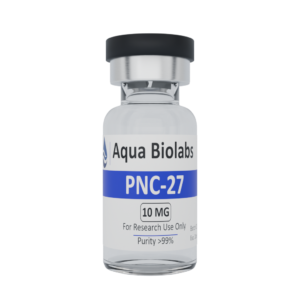
Cellular & Oncology
From$89.99
A p53-derived research peptide studied in cancer-cell membrane interaction, HDM-2-associated models, apoptosis research, and oncology cell-biology endpoints.
Batch COA Available
Purity Verified by COA
Research Use Only
View COA / Batch Documentation
-
Cognitive & Nootropic
From$44.99
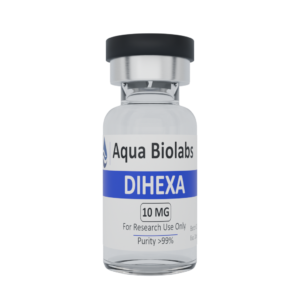
An angiotensin IV–derived research compound studied in HGF/c-Met-associated signaling, synaptogenesis models, neuroplasticity, and cognitive research.
Batch COA Available
Purity Verified by COA
Research Use Only
View COA / Batch Documentation
-
Immune & Signaling
From$54.99
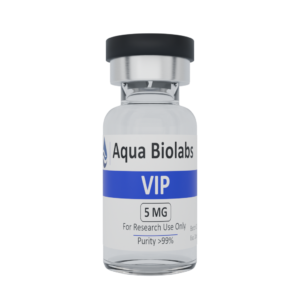
A 28-amino-acid neuropeptide studied in VPAC receptor signaling, neuroimmune communication, vascular biology, smooth-muscle models, and inflammatory pathway research.
Batch COA Available
Purity Verified by COA
Research Use Only
View COA / Batch Documentation
-
Tissue & Repair
From$54.99
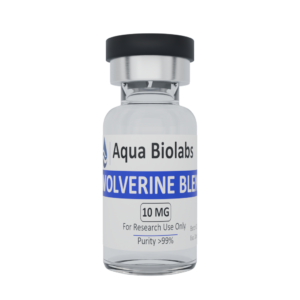
A multi-component BPC-157/TB-500 research blend studied in cell migration, tissue-remodeling, angiogenesis-associated, and extracellular-matrix models.
Batch COA Available
Purity Verified by COA
Research Use Only
View COA / Batch Documentation
-
Tissue & Repair
From$104.99
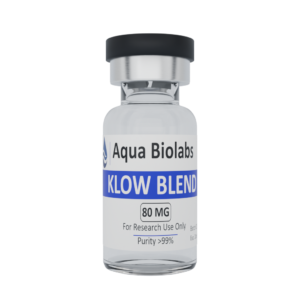
A multi-component research blend associated with GHK-Cu, BPC-157, TB-500 fragment, and KPV for extracellular-matrix, barrier, and inflammatory-pathway research.
Batch COA Available
Purity Verified by COA
Research Use Only
View COA / Batch Documentation
-
Cosmetic & Dermatological
From$39.99
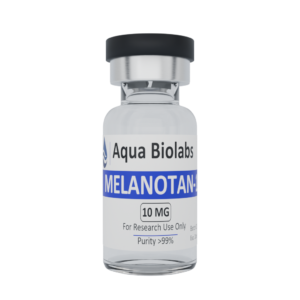
An alpha-MSH analog studied in melanocortin receptor signaling, pigmentation pathway research, photobiology models, and dermatological research assays.
Batch COA Available
Purity Verified by COA
Research Use Only
View COA / Batch Documentation
