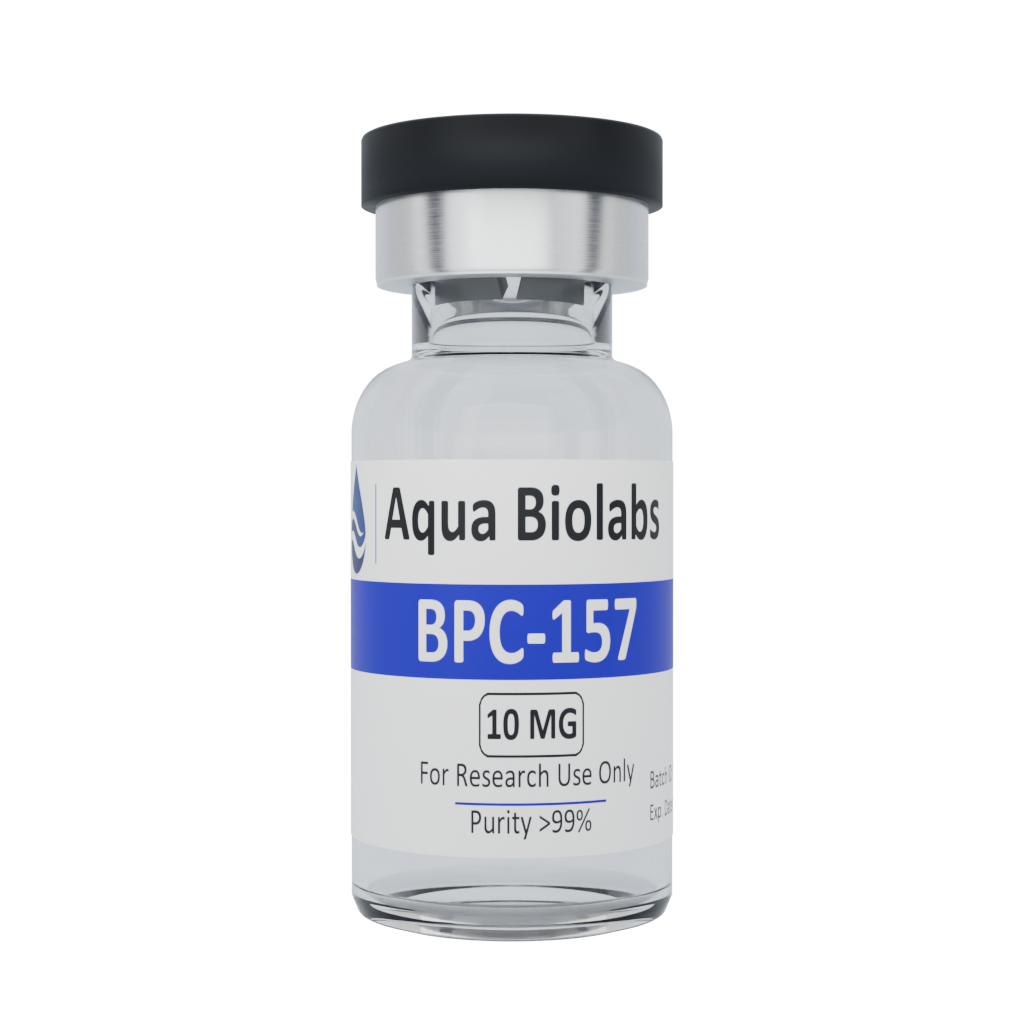
BPC-157
A synthetic pentadecapeptide studied in tissue-remodeling, angiogenesis, nitric-oxide signaling, extracellular-matrix, and gastrointestinal-barrier research models.
Purity Verified by COA
Research Use Only
In stock
- Cards & debit
- Apple Pay
- Google Pay
- Link
- ACH when available
Research at a glance
Stable compound identity and handling reference. Confirm lot-specific values against the vial label and available batch record.
BPC-157
- CAS number
- 137525-51-0
- Molecular formula
- C62H98N16O22
- Molecular weight
- 1419.5 g/mol
- Form
- Lyophilized powder
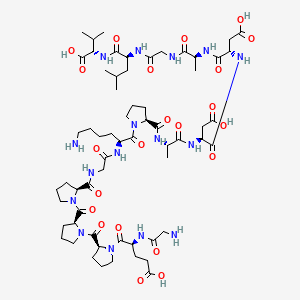
- Sequence
- Gly-Glu-Pro-Pro-Pro-Gly-Lys-Pro-Ala-Asp-Asp-Ala-Gly-Leu-Val
Storage
Store sealed, protected from heat, light, and moisture. For long-term storage, follow the lot-specific COA, label, and institutional protocol. Avoid repeated freeze-thaw cycles after preparation unless validated in the research protocol.
Lot-specific records
Batch-specific - verify availability in the COA library
Open COA librarySelected research sources
Curated literature, verified identity records, and clearly labeled live indexes for the named compound or formulation. None tests this batch or establishes an intended use.
BPC-157 in angiogenesis-associated models
PUBMED · PMID 20388964Cell-culture and rodent muscle and tendon experiments examined VEGF-related angiogenesis and healing measures; no direct angiogenic effect appeared in cell culture.
Open original source PubChem identity recordPubChem BPC-157 record
PUBCHEM.NCBI.NLM.NIH.GOVReview the original source for its methods, study population or model, endpoints, limitations, and reported findings.
Open original source Live literature indexBrowse PubMed for BPC-157
PUBMED | LIVE SEARCHThis opens a live literature search. Results can concern other formulations and do not test this product or batch.
Browse literature indexResearch overview
BPC-157 is supplied as a research-grade material for qualified laboratory use only.
Batch-specific documentation should be reviewed before use. Match vial label, fill amount, SKU, and lot number to the corresponding COA documentation.
Description
What is BPC-157?
BPC-157 is a synthetic 15-amino-acid peptide modeled from a gastric-derived peptide sequence. It is widely used in preclinical research involving tissue-remodeling, barrier integrity, angiogenesis-associated signaling, and extracellular-matrix biology.
Its compact peptide structure and long history in experimental literature make it a common research tool in cell migration, fibroblast, endothelial, and inflammatory-pathway studies.
Mechanism of Action / Research Focus
BPC-157 is commonly investigated for effects on nitric-oxide signaling, angiogenesis-related endpoints, VEGF-associated pathways, fibroblast behavior, and extracellular matrix remodeling in controlled models.
Research also evaluates BPC-157 in gastrointestinal-barrier and soft-tissue models, with a focus on signaling pathways rather than clinical outcomes.
Common Research Applications
Application Areas
- Angiogenesis and VEGF-associated assays
- Fibroblast migration and extracellular matrix models
- Tendon, ligament, and soft-tissue remodeling research
- Gastrointestinal-barrier and nitric-oxide pathway studies
Research Comparison
| Research tool | Common pathway focus | Typical model type |
|---|---|---|
| BPC-157 | Fibroblast, nitric oxide, angiogenesis-associated, and ECM signaling. | Barrier, tissue-remodeling, and soft-tissue research models. |
| TB-500 / fragment | Actin, cytoskeletal organization, and cell migration. | Cell motility, endothelial, and remodeling assays. |
| GHK-Cu | Copper-peptide and extracellular-matrix signaling. | Collagen-associated and dermatological research models. |
| KPV | Inflammatory and barrier-signaling pathways. | Epithelial, cytokine, and immune-barrier models. |
Certificate of Analysis (COA)
Applicable lots should be supported by batch-specific analytical documentation. Before beginning work, verify product identity, purity, fill amount, lot number, and storage requirements against the COA and product label.
BPC-157 FAQs
What is the sequence of BPC-157?
BPC-157 is commonly represented as Gly-Glu-Pro-Pro-Pro-Gly-Lys-Pro-Ala-Asp-Asp-Ala-Gly-Leu-Val.
Is this intended for therapeutic use?
No. This product is for laboratory research only.
Does Aqua Biolabs provide usage instructions?
No. Researchers must follow approved institutional protocols and applicable regulations.
Selected Research & Chemical References
Chemical Information
| Product | BPC-157 |
|---|---|
| Synonyms | Body Protection Compound 157; pentadecapeptide BPC-157 |
| Sequence | Gly-Glu-Pro-Pro-Pro-Gly-Lys-Pro-Ala-Asp-Asp-Ala-Gly-Leu-Val |
| CAS Number | 137525-51-0 |
| Molecular Formula | C62H98N16O22 |
| Molecular Weight | 1419.5 g/mol |
| Form | Lyophilized powder |
| Contents | 10mg fill amount(s), supplied as lyophilized powder in sealed research vial format unless otherwise stated on the label. |
| Research Notes | Researchers are responsible for supplying compatible diluent, sterile technique supplies, and protocol-specific materials. Compatibility should be validated before any study. |
| Storage | Store sealed, protected from heat, light, and moisture. For long-term storage, follow the lot-specific COA, label, and institutional protocol. Avoid repeated freeze-thaw cycles after preparation unless validated in the research protocol. |
Shipping Information
Orders are fulfilled from domestic inventory when available. Shipping options, carrier service, and delivery estimates are shown at checkout and are subject to inventory status, cutoff times, weather, holidays, and carrier performance.
For larger research quantities or lot-specific documentation requests, contact Aqua Biolabs support before ordering.
Research Use & Compliance
Aqua Biolabs products are intended for laboratory research use only. Products are not drugs, foods, dietary supplements, cosmetics, medical devices, or consumer products.
Products are not intended for human consumption, injection, veterinary use, diagnostic use, therapeutic use, food use, cosmetic application, or household use. Purchasers are responsible for compliance with all applicable laws, institutional requirements, and research safety protocols.